IT Service Africa

cybersecurity

The Network Named “Free” That Cost Someone Everything

Blogs

Your phone connects automatically. You open your banking app. Transfer funds to your supplier. Check your email. All normal. Free Wi-Fi does not exist. The network you joined belongs to the man three seats away with a laptop and a coffee he is not drinking. He now has your password, account balance, supplier’s details and you have fifteen minutes before your about to get on a plane, no time to notice anything wrong. This is not rare and not sophisticated. It is happening daily in Lagos, Abuja, Port Harcourt and all across the world, every crowded space where convenience overrides caution. The Math That Betrays Us Nigeria runs on mobile banking. More transactions happen through apps than branches. Mobile data is safer, encrypted by default, but it is expensive and unreliable. Therefore, we default to free Wi-Fi and weigh visible cost against invisible risk. Attackers understand this perfectly. They set up where costs pinch hardest. Name networks to sound helpful and wait for the moment trust overrides verification. One compromised login can cascade into an empty a business account, expose client data and trigger regulatory penalties destroying reputation built over years. All from one connection, we never questioned. What Verified Breaches Prove In April 2026, Adobe disclosed CVE-2026-34621. Attackers exploited a PDF vulnerability for months before discovery. Victims opened files that looked legitimate, trusted the format and the sender. The lesson is not about PDFs. It is about exploited trust. Unsecured Wi-Fi operates identically. You trust the name, the environment, that “Hotel Guest” is actually the hotel. That trust is the attack surface. Nigerian institutions face sustained pressure. The NDPC has intensified enforcement, collecting billions in penalties. The era of warnings is ending. The era of consequences has begun. Five Rules What Businesses Must Build Guest Wi-Fi must never touch internal systems. Remote workers need VPNs. Training must be continuous, not annual and detection matters as much as prevention. Most businesses discover breaches when customers complain, not when systems alert. Professional support is infrastructure, not luxury. Managed security provides monitoring and response capabilities that individual organizations cannot maintain internally. The ITSA Commitment At IT Service Africa, we design security for Nigerian realities. Unreliable power, mobile-first usage, cost sensitivity and talent scarcity. ITSA provide network security assessment, VPN deployment, endpoint protection, email filtering, continuous monitoring, evolving training, and compliance preparation. We do not sell fear. We build resilience. Your data deserves intention, not hope.

The New Normal: When Your Family Photos Are Held for Ransom

Blogs

Last Tuesday, a Lagos-based accountant clicked an email that looked like her bank’s security alert. By Wednesday, her laptop’s screen displayed a simple message: ‘Your files are encrypted. Pay $2,000 in Bitcoin or lose everything.’ Her wedding photos, her children’s school records, five years of client tax documents all gone or held hostage, which felt worse. While this is a representative scenario rather than a single reported event, it mirrors the reality of a growing wave of ‘double extortion’ ransomware attacks currently targeting professionals across Nigeria. She paid. Most people do. The FBI says 41% of ransomware victims pay, and the average demand now exceeds $1.5 million for businesses. For individuals, the numbers are smaller but the desperation identical. This is the new normal and it’s arriving in Nigerian living rooms faster than anyone prepared for. The Global Shift Cybercrime is now the world’s third-largest economy, behind only the US and China. Estimated annual damage: $8 trillion.  That’s not a typo… Trillions. What changed? Three things converged. First, remote work dissolved the perimeter. Your home network is now your office network. Your child’s tablet shares bandwidth with your banking session. The castle walls disappeared. Second, AI lowered the skill floor. Attackers no longer need coding expertise. Generative AI writes convincing phishing emails in any language, tailored to any target. The Nigerian prince scam evolved into something far more sophisticated. Third, cryptocurrency made payment untraceable. Ransom demands became practical. Before Bitcoin, kidnapping data made no sense. Now it makes billions. The Nigerian Context Nigeria’s digital adoption curve is steep and recent. Mobile banking exploded. SME e-commerce emerged overnight. Government services moved online. The convenience was immediate. The security awareness lagged by years. Consider the typical Nigerian household now: Each device is an entry point. Each convenience is a vulnerability and the attackers know Nigeria’s growing middle class represents fresh targets with limited preparation. Why Families Specifically Businesses receive cybersecurity attention; families rarely do. Yet, the emotional damage is often greater. A compromised family email account becomes a platform for identity theft. Stolen children’s photos appear in extortion schemes, and compromised banking credentials drain savings built over years. The violation feels personal because it is. The psychological toll exceeds financial loss. Victims report anxiety, shame, and a persistent distrust of digital tools that society now requires them to use. The “just don’t click suspicious links” advice sounds hollow after the fact. What Actually Works Awareness helps but isn’t sufficient. Individual vigilance cannot compensate for systemic vulnerability; effective protection requires a layered defense: The ITSA Approach Our cybersecurity services aren’t designed for abstract enterprises. They’re built for normal apartments and family homes as much as corporate headquarters. We implement: For families, this means protection that doesn’t require technical sophistication to maintain. For businesses, it means security that scales without becoming another management burden. The Sovereignty Question Global cybersecurity solutions often assume reliable power, consistent connectivity, and Western regulatory frameworks. Nigeria’s reality differs. Effective protection here must function despite infrastructure gaps, accommodate mobile-first usage patterns, and respect data sovereignty concerns. Generic solutions fail. Contextual adaptation succeeds. Moving Forward The question is no longer, whether Nigerian families and businesses will face cyber threats. They already do, often unknowingly. The question is whether preparation precedes crisis. For the accountant who paid $2,000, the lesson was expensive. For others, it need not be. Technology should connect without exposing. Convenience should not require vulnerability. In addition, security should be accessible without requiring a computer science degree. ITSA applies that standard to every client, every family and every connected device.

The Quiet Resignation No One Talks About: Why Your IT Person Is Burning Out

Blogs

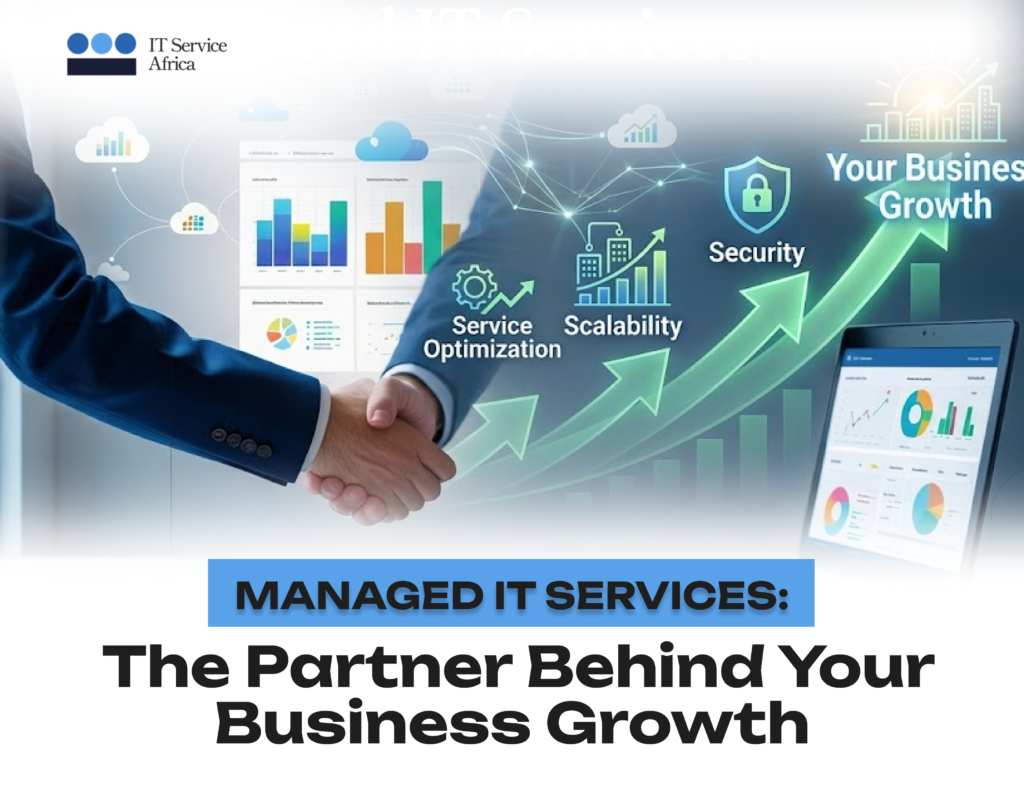
Something is happening in offices across Lagos, Abuja, and other parts of Nigeria that nobody puts on LinkedIn. Your IT person is exhausted. Not the dramatic, slam-the-door, send-a-scathing-email kind.  It is the quiet kind: the 2 AM alerts kind; the ‘I’ll just handle it myself’ on weekends kind; the kind that ends with them updating their CV in incognito mode while the server hums in the background. The Global Picture Worldwide, IT professionals are leaving the profession at record rates. A 2025 study found that 60% of IT workers report burnout.  Not stress….Burnout. It’s the kind where competence becomes cynicism and your most reliable technical resource becomes your next recruitment headache.  The reasons are predictable: on-call demands, skill expansion without support, and the invisible load of keeping everything running while leadership sees only the monthly salary not the midnight emergencies. The Nigerian Reality Here, the problem compounds. Nigeria’s tech talent competes globally. Your systems administrator in Lagos has LinkedIn messages from Dubai, London, and Toronto. Remote work erased borders so local expertise became exportable overnight. Meanwhile, Nigerian businesses face unique pressures: unreliable power infrastructure means generator-dependent IT.  Currency volatility makes hardware planning a gamble and the expectation that “one person can handle it” persists even as technology complexity doubles every few years. The result? Your IT person carries impossible weight and when they leave, they take institutional knowledge no handover document captures. What Companies Lose The direct costs are visible: recruitment fees, training time, knowledge gaps. The hidden costs hurt more. Projects stall because no one remembers why that server was configured that way, security patches slip and small issues become emergencies because the person who used to catch them early is now catching flights to their new job abroad. A Different Model Managed IT Services from ITSA does not replace your IT person. It protects them. Instead of one individual carrying 24/7 responsibility, an entire team shares the load. Proactive monitoring catches issues before they become alerts. Documented processes survive personnel changes. Escalation paths mean someone is always qualified to respond, but no one person is always on call. For your business, this means: For your IT person, it means: The Real Flexibility The global shift toward remote and hybrid work changed more than office layouts. It changed how talent thinks about employment. Nigerian professionals now evaluate opportunities differently—work-life balance is no longer a foreign concept. It is a decision factor. Companies that ignore this lose people. Companies that address it deliberately keep them. Managed IT Services isn’t outsourcing your technology. It’s insourcing sanity—for your team and your operations. Looking Forward The businesses thriving in Nigeria’s next decade won’t be those with the most heroic individual contributors. They’ll be those with the most sustainable systems. Your IT person deserves sleep. Your business deserves continuity. Both are possible.

Why Smart IT Procurement Matters for Nigerian Businesses

Blogs

In today’s Nigeria, technology drives everything from small startups in Lagos to large enterprises in Port Harcourt and yet many businesses struggle with a critical foundation: getting the right hardware, at the right price, with the right support. IT Hardware procurement is not simply about buying computers; It is about building a reliable foundation for productivity, security, and long-term growth. For Nigerian businesses navigating economic pressures and rapid digital transformation, smart procurement has become a competitive advantage. Why IT Hardware Procurement Matters More in Nigeria Today Nigeria’s business landscape is evolving fast. Remote work, cloud adoption, and digital services are no longer optional, they are essential but many organizations still face: Without structured procurement, businesses waste money, face downtime, and compromise security before they even begin operations The Hidden Costs of Poor Procurement For Nigerian businesses, hardware mistakes create lasting problems: Financial Drain Buying cheap equipment that fails within months costs more than investing in quality upfront. Frequent repairs and replacements drain budgets meant for growth. Operational Disruption When critical hardware fails, operations stop. For a retail business during peak season or a logistics company managing deliveries, every hour of downtime means lost revenue. Security Vulnerabilities Unvetted hardware may come with pre-installed malware or lack proper security features. In Nigeria’s growing cyber threat landscape, this creates invisible risks. Compliance Challenges Organizations in regulated sectors—finance, healthcare, energy—need equipment that meets international standards. Random purchasing often misses these requirements. What Smart Hardware Procurement Looks Like Effective procurement follows a clear process, not guesswork: 1. Needs Assessment Understanding actual business requirements before shopping. How many users? What applications? What growth is expected in 2-3 years? 2. Strategic Sourcing Working with verified vendors who supply genuine, warranty-backed equipment from manufacturers like Dell, HP, and Lenovo—brands ITSA partners with directly. 3. Configuration and Setup Imaging devices, installing necessary software, and asset tagging before delivery. This ensures equipment works immediately upon arrival. 4. Lifecycle Management Planning for maintenance, upgrades, and eventual replacement. Hardware is an investment, not a one-time expense. The Nigerian Context: Local Challenges, Global Standards Nigeria presents unique procurement challenges: Professional procurement services address these by: Building a Stronger Technology Foundation Improving hardware procurement does not require massive budgets—it requires the right approach: Conclusion In Nigeria’s competitive business environment, hardware procurement is not just an administrative task; it is a strategic function. The right equipment, properly sourced and configured, enables productivity, protects against disruption, and supports sustainable growth.

Cybersecurity in Nigeria: Protecting Businesses and Families in a Digital Age

Blogs

In today’s Nigeria, almost everything is connected. From banking apps to business operations, school portals to family communication, technology is part of everyday life. Nevertheless, as convenience increases, so do risks. Cyber threats are no longer something that only affects large corporations. They now affect small businesses, families, and individuals just as much. Understanding cybersecurity is no longer optional, it is necessary. Why Cybersecurity Matters More in Nigeria Today Nigeria’s digital growth has been rapid. More people are online, more businesses operate digitally, and more transactions happen without cash. However, this growth has also made users more vulnerable. Cybercriminals often target: In many cases, the attack is not complex; it simply takes advantage of small gaps. How Families Are Affected Cybersecurity is not just a business issue; it can happen at home too Families today: Without proper awareness, this creates opportunities for fraud, identity theft, and data loss. How Businesses Are at Risk For businesses, a single breach can lead to: Many Nigerian businesses still operate without structured cybersecurity measures, making them easy targets. Common Threats to Watch Out For Cyber threats often come in simple forms: i) Phishing MessagesFake emails or SMS messages designed to steal sensitive information. ii) Weak PasswordsEasily guessed passwords that give attackers quick access. iii) Unsecured NetworksUsing public or poorly protected internet connections. iv) Outdated SystemsOld software with known vulnerabilities. Building a Safer Digital Environment Improving cybersecurity does not require complex systems—it starts with awareness and the right support. Key steps include: Conclusion In Nigeria today, cybersecurity is not just about technology—it is about protection, awareness, and responsibility. For both businesses and families, staying secure means staying informed and prepared.

Cloud Services in Nigeria: Keeping Businesses Flexible in Uncertain Times

Blogs

Running a business in Nigeria comes with its own unique challenges—power supply issues, rising costs, and the need for flexibility in operations. In such an environment, traditional systems can sometimes limit growth. This is where cloud services come in. What Are Cloud Services? Cloud services allow businesses to store data, run applications, and manage operations over the internet instead of relying on physical systems. This means: Why Cloud Matters in Nigeria In Nigeria, where conditions can change quickly, flexibility is important. Cloud services help businesses: Impact on Businesses For businesses, cloud adoption leads to: i) Cost EfficiencyReduced need for expensive hardware and maintenance. ii) AccessibilityTeams can work from different locations without disruption. iii) ScalabilitySystems can grow with the business without major changes. Impact on Families and Individuals Cloud services also affect everyday life. Families use cloud-based platforms to: This creates convenience, but also requires proper management and security. Challenges to Consider While cloud services offer many benefits, businesses must also consider: Conclusion In a fast-changing environment like Nigeria, flexibility is not just an advantage—it is a necessity. Cloud services provide businesses and individuals with the tools to adapt, grow, and stay connected regardless of circumstances.

Inside the Mind of a Hacker: Understanding How Cybercriminals Think

Blogs, Weekly update

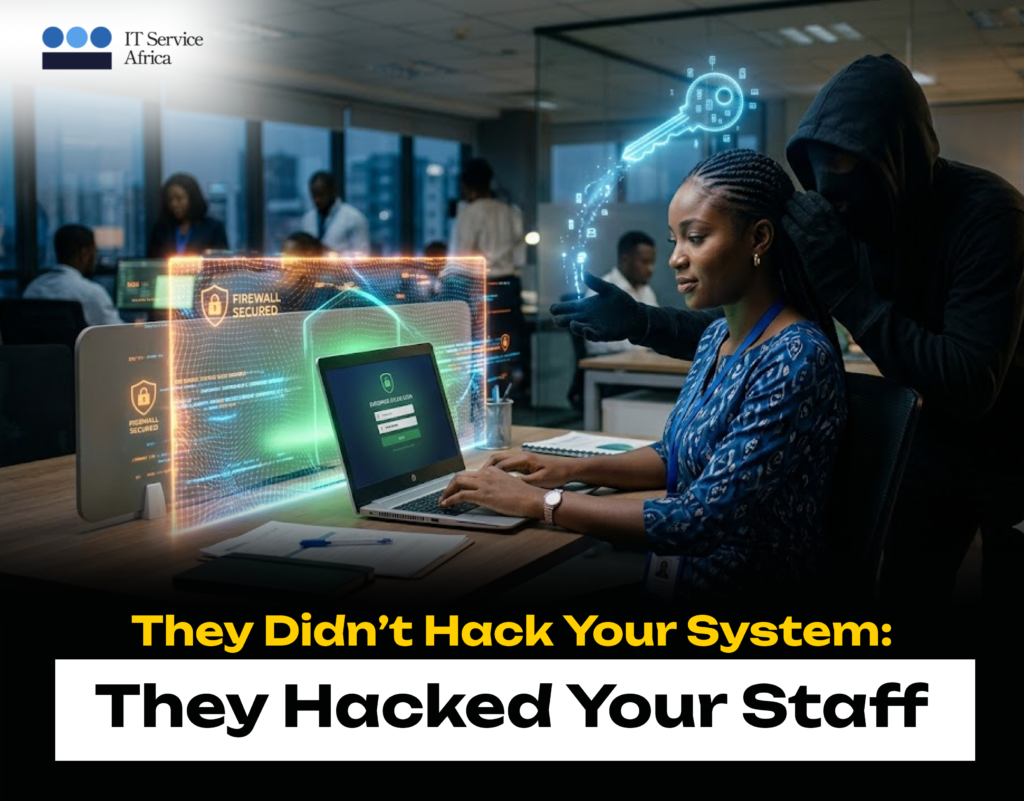
When people try to imagine hackers they often picture someone in a creepy room vigorously typing on a computer trying to break into secure systems and networks. While this image is commonly used in movies, the reality of hacking is far more complicated. Cyber criminals are very strategic thinkers who carefully study their targets, exploit weaknesses or vulnerabilities and use sophisticated techniques to gain access to systems or networks. Understanding How hackers think is one of the most important steps to take in improving cybersecurity.  Who Are Hackers? Hackers are individuals with advanced technical skills who can manipulate computer systems and networks. Although not all hackers are criminals. In fact hackers are categorised into three major categories:  i) White Hat Hackers – Ethical hackers who help organizations find and fix security vulnerabilities. ii) Black Hat Hackers – Cybercriminals who exploit vulnerabilities for financial gain or malicious purposes. iii) Grey Hat Hackers – Hackers who may access systems without permission but usually do not intend to cause harm. While white hat hackers aid cybersecurity, black hat hackers focus more on exploiting systems vulnerabilities or weaknesses for profit or to damage them. How Hackers Choose Their Targets Contrary to popular belief, hackers do not always target large corporations. In many cases, they prefer smaller organizations or individuals because these targets often have weaker security defenses. Hackers typically look for: i) Poorly secured networks ii)Outdated software and systems iii) Weak passwords iv) Employees who can be manipulated through phishing or social engineering In most cyber attacks the goal is not just to have access to the system or networks but also to get human beings to be vulnerable.  Common Techniques Used by Hackers Cybercriminals depend on various methods to infiltrate systems. Some of these methods include: i)  Phishing Attacks Hackers send fake emails or messages that appear to come from trusted sources. These messages trick users into revealing sensitive information such as login credentials or financial data. ii)  Malware Attacks Malicious software can be installed on a device through infected downloads or email attachments. Once inside a system, malware can steal data, monitor activity, or damage files. iii) Password Attacks Hackers often exploit weak passwords using methods like brute-force attacks or password guessing. iv) Social Engineering Instead of hacking systems directly, attackers manipulate people into giving away confidential information. Why Hackers Do What They Do Hackers have different factors that motivate them. Which may include: i) Financial gain – stealing money or selling stolen data ii) Political or ideological motives – hacking to promote certain beliefs iii) Corporate espionage – stealing business secrets iv) Curiosity or challenge – some hackers break systems simply to prove they can Getting to understand these reasons help cybersecurity professionals anticipate potential attacks. Thinking Like a Hacker to Improve Security One of the most effective ways to defend against cyber attacks or threats is to think like the attacker. Cybersecurity professionals often use techniques such as vulnerability assessments and penetration testing to identify weaknesses before criminals can exploit them. By adopting a hacker’s mindset, organizations can better understand where their systems are vulnerable and take proactive steps to secure them. Conclusion Hackers are not just individuals randomly attacking systems they are strategic thinkers who carefully analyze their targets and exploit weaknesses. By understanding how cybercriminals think and operate, organizations and individuals can build stronger defenses against cyber threats. In cybersecurity, the key to protection is not just building stronger systems but also understanding the mindset of those trying to break them.

Why Cybersecurity Matters More Than Ever in 2026

Artificial Intelligence, Blogs

In today’s digital world most of the things  we do happen online, from shopping, banking, ordering food, paying bills to communicating. While this has transformed our lives to be easier and more convenient, it has also created numerous opportunities for cyber criminals. Cybersecurity is no longer just a concern for big organisations, it has become very essential for individuals, businesses and the government. The Growing Threat of Cyber Attacks Cyber attacks are unfortunately increasing at a very alarming rate. Threat actors are constantly developing new ways and techniques to exploit vulnerabilities in systems and networks. Some of the most common threats, include; i) Phishing Attacks: Fake emails or messages designed to trick users into revealing sensitive information such as passwords or bank details. ii) Ransomware: Malware that locks or encrypts a victim’s data and demands payment to restore access. iii) Data breaches: Unauthorized access to confidential information, often affecting millions of users at once. iv) Malware infections: Malicious software designed to disrupt, damage, or gain unauthorized access to systems. These attacks can lead to reputational damage, financial losses and even put national security at risk.  Why Cybersecurity Is Important Cybersecurity helps protect systems, networks, and data from cyber attacks. Without proper security controls and measures, sensitive information such as personal data, financial records, and intellectual property can easily fall into the wrong hands. For organizations, strong cybersecurity practices ensure: i) Protection of customer data ii) Business continuity iii) Compliance with regulations iv) Trust and credibility with users For individuals, cybersecurity helps protect  i) personal privacy  ii) financial security  The Role of Cybersecurity Professionals Cybersecurity Professionals play a vital role in protecting systems and networks from threats. They use tools and techniques such as vulnerability assessment, penetration testing and security monitoring tools to be able to detect and prevent attacks before they can cause any harm to the systems or networks. Roles in cybersecurity include: i) Security analysts ii) Ethical hackers iii) Incident responders iv) Cloud security engineers v) Threat intelligence analysts As Cyber threats evolve, the demand for skilled cybersecurity professionals continues to increase worldwide. How Individuals Can Stay Safe Online While most organizations invest heavily in security tools and techniques, individuals also have to be able to protect themselves online. Some simple but effective cybersecurity practices include: i) Using strong and unique passwords ii) Enabling multi-factor authentication (MFA) iii) Avoiding suspicious links and attachments iv) Keeping software and devices updated v) Backing up important data regularly Even small security habits can significantly reduce the risk of cyber attacks. The Future of Cybersecurity  With the rise of artificial intelligence (AI), cloud computing, and the Internet of Things (IoT), the cybersecurity landscape is constantly evolving. While these technologies bring innovation and efficiency, they also introduce new vulnerabilities and endpoints to be exploited by cyber criminals. In order to stay ahead of these threats, organizations must adopt proactive security measures, invest in advanced security tools or technology and continuously train cybersecurity professionals. Conclusion Cybersecurity is no longer a choice, it is a necessity in this Computerized age. As technology continues to shape our lives, protecting digital assets and sensitive information must become a top priority. By combining strong security practices, advanced technologies and user awareness, we can build a safer digital future for everyone.

Is Your Wi-Fi Secure? Why Cybersecurity Matters at Home and at Work

Blogs, Technology

A lot of people think cybersecurity is only a big-company problem. Servers, data centers, corporate networks…that sort of thing. But the truth is much simpler (and a little closer to home). If you use a phone, laptop, Wi-Fi, online banking, or even a smart TV… cybersecurity is already part of your life. The same risks that affect companies can affect families too. The only difference is the scale. At home, a weak password or an unsecured network can expose personal photos, banking details, or private conversations. At work, the same small mistake can expose customer data, disrupt operations, or bring systems to a halt. Here is the interesting part: most cyber incidents do not start with some dramatic Hollywood-style hacking scene. They start with very ordinary things like a suspicious email, a reused password, or a click on the wrong link. That is why cybersecurity today is less about panic and more about good habits. Simple steps make a huge difference: For families, these habits help protect personal lives and digital privacy. For companies, they protect operations, customers, and reputation. In both cases, cybersecurity is really about peace of mind, knowing your digital world is protected so you can focus on everything else. At IT Service Africa, cybersecurity is not just about tools and software. It is about helping people and businesses build safer digital environments through smart protection, monitoring, and proactive security practices. Because in today’s connected world, protecting your systems means protecting the people who rely on them. Take Action Whether it is securing your business systems or strengthening your organization’s digital defenses, IT Service Africa helps you stay one-step ahead of cyber threats. Let us make security simple, smart, and reliable.

Data Breaches Don’t Knock, They Log In

Blogs, General Category, Managed Services, Weekly update

Most breaches don’t start with dramatic hacking scenes.They start with one weak password. One phishing email. One delayed update. And while businesses assume, “We’re probably fine,” attackers are busy automating their next attempt. A data breach today doesn’t just mean stolen files. It can mean downtime, damaged trust, regulatory questions, and expensive recovery. The real risk isn’t visibility, it’s silence. Many companies don’t even realize they’ve been compromised until weeks later. Cybersecurity isn’t about paranoia. It’s about preparation. That means: Because when something does happen, the first question won’t be ‘who attacked us’?It will be ‘were we prepared’? At ITSA, we focus on proactive cybersecurity, identifying vulnerabilities before they become incidents, strengthening your systems, and keeping your business resilient. If you’re unsure how exposed your systems are, that’s the best time to check. Let ITSA assess, secure, and strengthen your digital environment before someone else tests it for you.

Scroll to Top