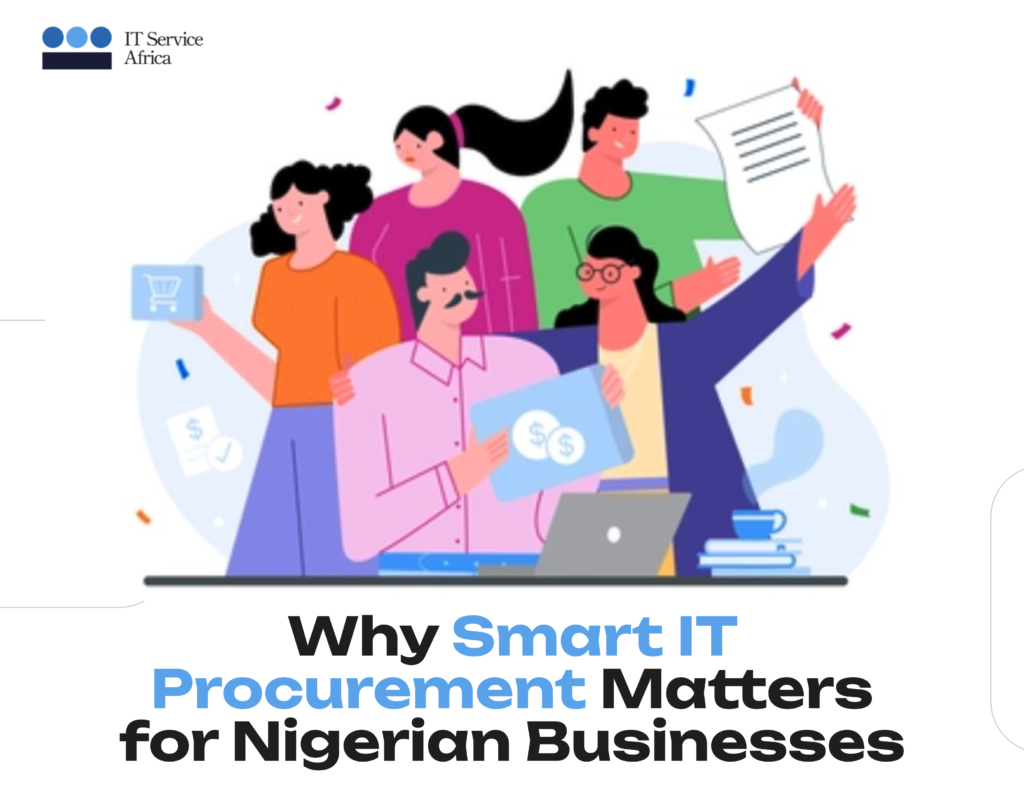
In today’s Nigeria, technology drives everything from small startups in Lagos to large enterprises in Port Harcourt and yet many businesses struggle with a critical foundation: getting the right hardware, at the right price, with the right support. IT Hardware procurement is not simply about buying computers; It is about building a reliable foundation for productivity, security, and long-term growth. For Nigerian businesses navigating economic pressures and rapid digital transformation, smart procurement has become a competitive advantage. Why IT Hardware Procurement Matters More in Nigeria Today Nigeria’s business landscape is evolving fast. Remote work, cloud adoption, and digital services are no longer optional, they are essential but many organizations still face: Without structured procurement, businesses waste money, face downtime, and compromise security before they even begin operations The Hidden Costs of Poor Procurement For Nigerian businesses, hardware mistakes create lasting problems: Financial Drain Buying cheap equipment that fails within months costs more than investing in quality upfront. Frequent repairs and replacements drain budgets meant for growth. Operational Disruption When critical hardware fails, operations stop. For a retail business during peak season or a logistics company managing deliveries, every hour of downtime means lost revenue. Security Vulnerabilities Unvetted hardware may come with pre-installed malware or lack proper security features. In Nigeria’s growing cyber threat landscape, this creates invisible risks. Compliance Challenges Organizations in regulated sectors—finance, healthcare, energy—need equipment that meets international standards. Random purchasing often misses these requirements. What Smart Hardware Procurement Looks Like Effective procurement follows a clear process, not guesswork: 1. Needs Assessment Understanding actual business requirements before shopping. How many users? What applications? What growth is expected in 2-3 years? 2. Strategic Sourcing Working with verified vendors who supply genuine, warranty-backed equipment from manufacturers like Dell, HP, and Lenovo—brands ITSA partners with directly. 3. Configuration and Setup Imaging devices, installing necessary software, and asset tagging before delivery. This ensures equipment works immediately upon arrival. 4. Lifecycle Management Planning for maintenance, upgrades, and eventual replacement. Hardware is an investment, not a one-time expense. The Nigerian Context: Local Challenges, Global Standards Nigeria presents unique procurement challenges: Professional procurement services address these by: Building a Stronger Technology Foundation Improving hardware procurement does not require massive budgets—it requires the right approach: Conclusion In Nigeria’s competitive business environment, hardware procurement is not just an administrative task; it is a strategic function. The right equipment, properly sourced and configured, enables productivity, protects against disruption, and supports sustainable growth.